
When Perfect Isn’t Enough: The Real Challenge of Video Localization

We recently had the opportunity to present to a leading global provider of corporate digital learning solutions, showcasing the latest advancements in video localization. One of the highlights was a demonstration of an AI-powered solution that allowed a U.S.-based presenter to speak perfect Japanese—seamless lip-syncing, flawless voiceover, and impeccable translation.
By all technical standards, the video was a masterpiece. But then we received feedback that changed everything.
A native Japanese reviewer watched the video and acknowledged its excellence—but she still didn’t like it.
Why? Because it felt unnatural. Seeing a “non-Japanese-looking” person speak perfect Japanese, with lips perfectly synchronized, was unsettling. It created a disconnect rather than engagement. Ironically, she suggested it would have been better if the video had remained in English with Japanese subtitles. The ideal approach? A Japanese presenter—except that wasn’t an option.
This experience reinforced a critical truth in localization: perfection isn’t the goal—engagement is.
Technology is an incredible enabler, but if we don’t consider the human element—how content makes people feel—we risk missing the mark, even when we get everything technically right.
At Compass Languages, we don’t just focus on linguistic accuracy; we focus on impact. Because in the end, connection matters more than perfection.
How have you seen technology get everything right—but still feel wrong? Let’s discuss.
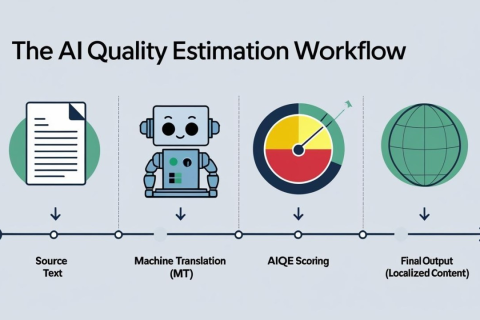
“AI-enhanced” is everywhere right now. But what does it actually look like in localization workflows? Let’s break down one example you’ve…
In the rush to integrate AI into localization workflows, most conversations revolve around technology: new models, faster turnaround times,…