+1 (410) 451-4297
connect@compasslanguages.com

Global brands don’t break all at once. They drift.
As you scale across markets, small inconsistencies compound into lost trust, weaker performance, and brand dilution. The challenge is not translation. It is control.
1
Brand Consistency vs Local Relevance
Core question:
How do brands stay consistent while adapting locally?
Why it matters:
Misalignment leads to brand dilution or local irrelevance
Signals to watch:
Inconsistent messaging across regions
Local teams rewriting core positioning
Campaigns performing unevenly by market
Who gets it right:
Coca-Cola
Nike
Apple
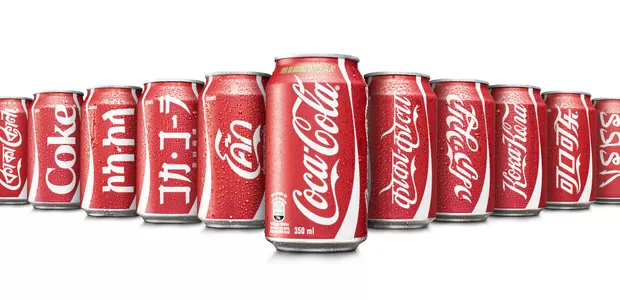
Where it breaks:
HSBC (early slogan issues)
GAP (China positioning)

2
Brand Voice & Tone Across Markets
Core question:
Can brand voice translate culturally?
Why it matters:
Tone drives trust and emotional connection
Signals to watch:
Messaging feels flat or generic in certain markets
Tone shifts between regions or channels
Campaigns fail to resonate despite strong creative
Who gets it right:
Airbnb
Spotify
IKEA

Where it breaks:
Pepsi (cultural tone missteps)
Uber (early market tone issues)

3
Global Campaign Performance Variance
Core question:
Why do global campaigns perform differently by market?
Why it matters:
Unadapted campaigns often underperform locally
Signals to watch:
Strong performance in one region, weak in another
High impressions but low engagement in localized campaigns
Repeated campaign rework by regional teams
Who gets it right:
Nike
Unilever
Netflix

Where it breaks:
P&G (over-standardized global campaigns)
eBay (China exit)

4
Cost of Brand Drift
Core question:
How does inconsistency erode brand value over time?
Why it matters:
Small inconsistencies compound at scale
Signals to watch:
Increasing revision cycles across markets
Duplicate content creation across regions
Fragmented brand perception in global markets
Who gets it right:
Microsoft
Samsung

Where it breaks:
Yahoo (fragmented brand era)
Nokia (late-stage brand confusion)
5
Governance vs Speed
Core question:
Does governance slow global marketing?
Why it matters:
Poor governance creates friction and delays
Signals to watch:
Bottlenecks in approvals and reviews
Local teams bypassing centralized processes
Campaign delays tied to compliance workflows
Who gets it right:
Adobe
Salesforce

Where it breaks:
Large financial brands with heavy manual review processes

6
Local Trust Signals
Core question:
What builds trust in different markets?
Why it matters:
Trust cues vary significantly by region
Signals to watch:
Low conversion despite high traffic
Poor engagement with localized messaging
Misalignment with cultural or platform expectations
Who gets it right:
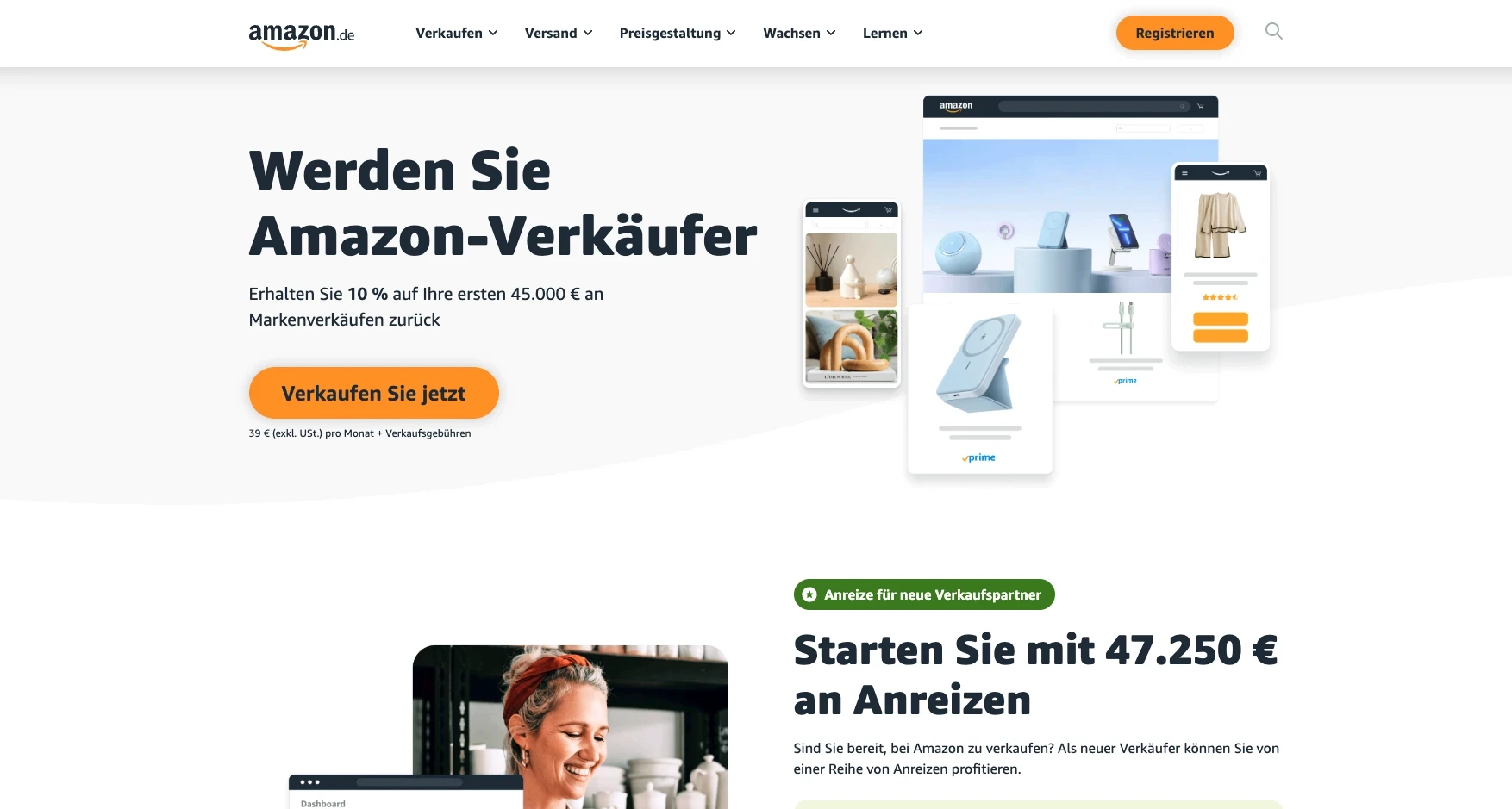
Amazon
Booking.com
Where it breaks:
US-only DTC brands expanding too quickly

7
Public Global Brand Failures
Core question:
What causes high-profile localization failures?
Why it matters:
Cultural errors damage reputation fast
Signals to watch:
Backlash on social or local media
Misinterpretation of messaging or visuals
Lack of in-market review or validation
Who gets it right:
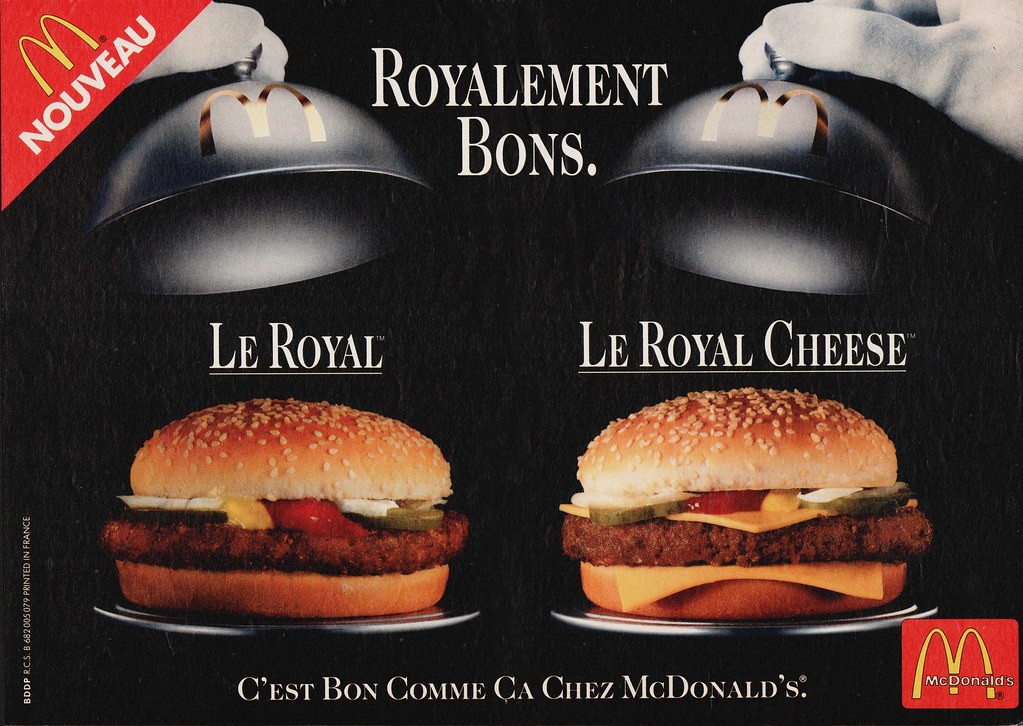
McDonald’s (localized menus and messaging)
Where it breaks:
Dolce & Gabbana (China campaign backlash)

8
Performance Localization Strategy
Core question:
How does localization drive brand and conversion?
Why it matters:
Brand and performance are tightly linked
Signals to watch:
Strong brand awareness but weak conversion
Disconnected messaging across funnel stages
Lack of measurable KPIs tied to localization
Who gets it right:
Shopify
Netflix

Where it breaks:
Retailers relying on direct translation only
9
AI in Global Branding
Core question:
Does AI strengthen or weaken brand control?
Why it matters:
Ungoverned AI increases brand risk
Signals to watch:
Inconsistent tone across AI-generated content
Lack of review or governance layers
Over-reliance on a single model or tool
Who gets it right:
Adobe
Salesforce (governed AI use)

Where it breaks:
Brands publishing raw AI content without review

10
Global Brand Maturity Curve
Core question:
When are brand systems ready to scale globally?
Why it matters:
Immature systems break under scale
Signals to watch:
Manual processes struggling to keep up with volume
Inconsistent execution across markets
Lack of centralized visibility or control
Who gets it right:
Google
Microsoft

Where it breaks:
Fast-scaling startups without brand governance


Learn more
Contact
connect@compasslanguages.com
+1 (410) 451-4297
147 Old Solomons Island Rd, #302
Annapolis, MD 21401
Copyright © 2026 Compass Languages. All Rights Reserved